
Why choose Finland?
Finland is the happiest country in the world. Here, high-quality education meets high quality of life in a peaceful country with unique, unspoiled nature and equal society.

Happiest Country
Finland has topped the global happiness ranking since 2018. (The World Happiness Report 2026)

Sustainability Leader
Finland ranks 2nd in the world for sustainable competitiveness (Global Sustainable Competitiveness Index 2024).

Safe and Secure
For safety and security, Finland ranks 3rd in the world. (Global Peace Index 2025, Safety and Security domain)
Finland at a Glance
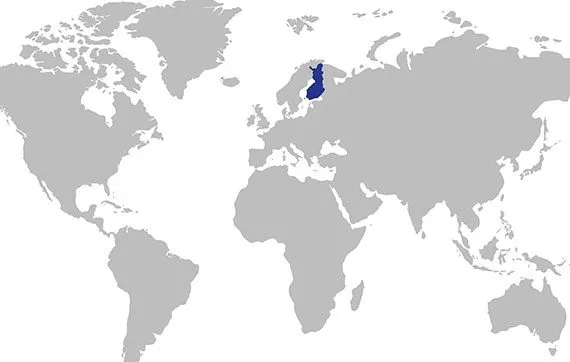
Finland is located in Northern Europe, where East meets West. It shares land borders with Sweden, Norway, and Russia, and is connected to Estonia across the Baltic Sea.
- Historically, Finland was part of Sweden for centuries before becoming an autonomous Grand Duchy under the Russian Empire. The country gained independence in 1917, and today, around 20% of its territory lies above the Arctic Circle—adding to its distinctive climate and natural landscapes.
- These geographical and historical influences continue to shape Finnish culture, traditions, cuisine, and lifestyle. They are also reflected in the values and character of the Finnish people.
- Finland is officially bilingual. Finnish is the primary language, and about 6% of the population speaks Swedish.
Nature and Seasons
Finland has four distinct seasons, from the bright midnight sun of summer to the quiet, snowy nights of winter. The country’s varied regions—from the Arctic north to the lake-filled south—also provide rich cultural diversity and experiences.
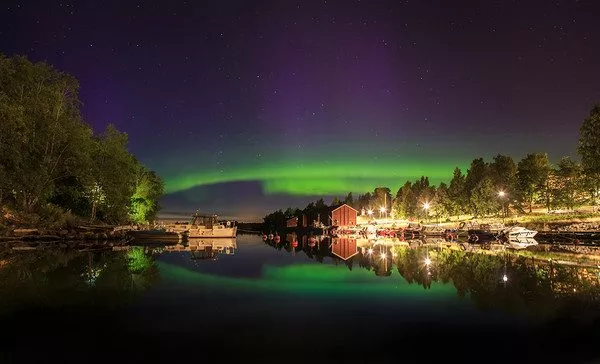
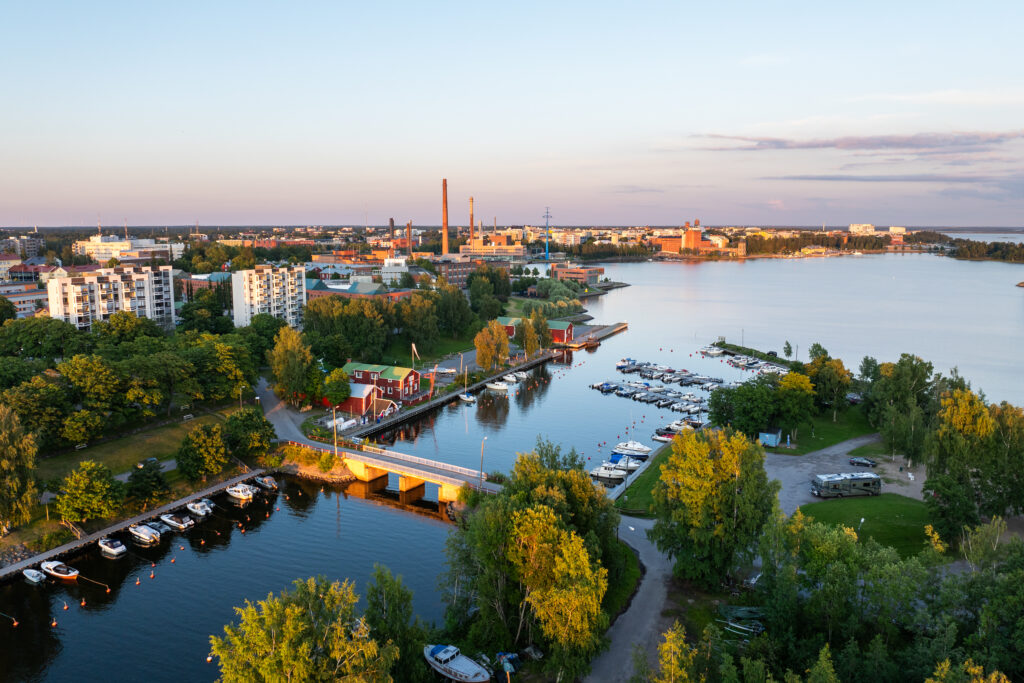
- Nature is central to Finnish identity. About 70% of the land is forested, and the country is home to around 188,000 lakes, 81,000 islands, and 1,100 km of coastline. The archipelago between Finland and Sweden is the largest in Europe. Stretching 1,160 km from north to south, Finland features everything from Arctic tundra in Lapland to lush green landscapes further south.
- Finland’s four seasons are distinct:
- Summer (June–August): Bright, warm, and lively, with temperatures reaching +25–30°C
- Autumn (September–November): Cool and colourful, with crisp air and changing leaves
- Winter (December–February): Cold, snowy, and calm, often dropping to -25°C or below
- Spring (March–May): A season of renewal, as daylight returns and nature wakes up
- In Vaasa, summer temperatures range from +12°C to +25°C, and winters typically range from +5°C to –15°C.
What is Finland like?
Finland has four distinct seasons, from the bright midnight sun of summer to the quiet, snowy nights of winter. The country’s varied regions—from the Arctic north to the lake-filled south—also provide rich cultural diversity and experiences.
- People and Values: Finnish people are often described as warm, sincere, and respectful. Equality and democracy are deeply rooted in everyday life, often taking priority over traditional hierarchies. Foreigners find Finns polite, helpful, and modest—sometimes reserved at first, but open and friendly once you get to know them. English is widely spoken, especially among younger people, making it easy to connect without Finnish or Swedish.
- Education and Opportunities: The Finnish education system is globally recognised for its strong emphasis on fairness, inclusion, and high academic standards. Everyone has equal access to quality education, regardless of background or region.
- Safety and Modern Living: Finland is one of the world’s safest and most stable societies. It combines modern infrastructure and advanced digitalisation with a deep respect for nature. As an EU member, Finland maintains close ties with its Nordic neighbours and the international community. Daily life is organised and efficient—public transport is clean and reliable, and with only 5.5 million people, you won’t encounter long queues or traffic jams.


Life in Finland: Culture, Values, and Everyday Living
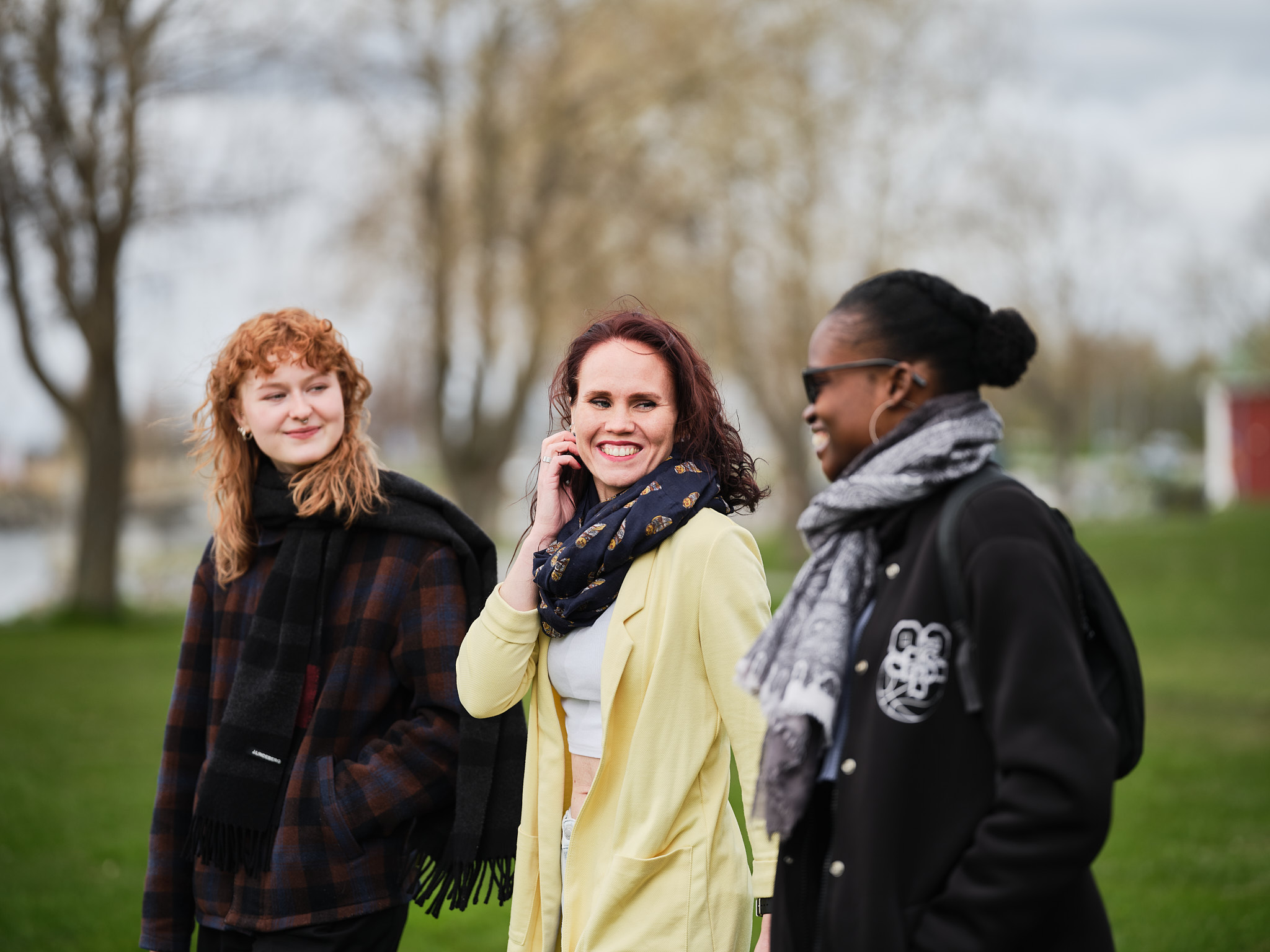
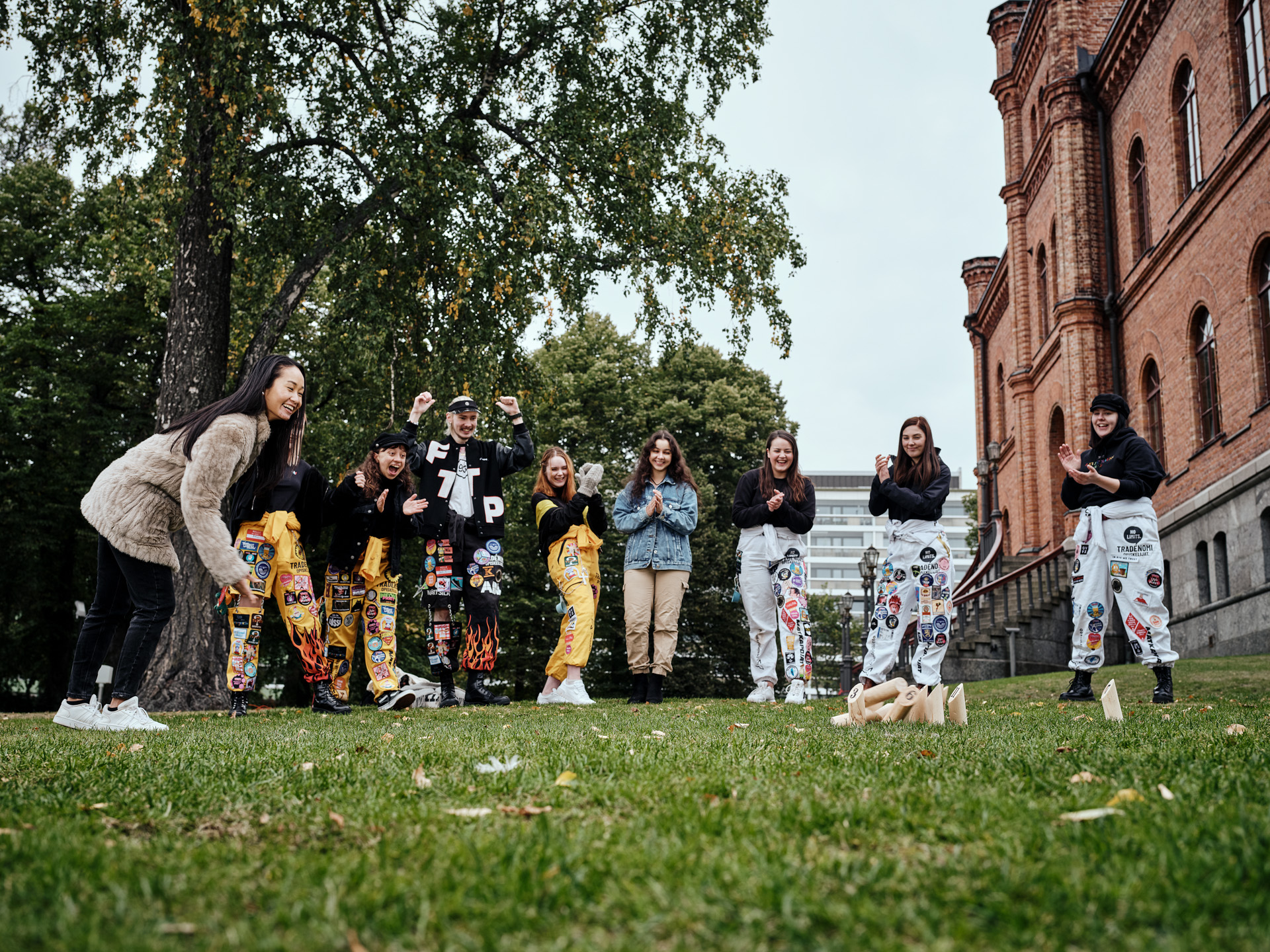
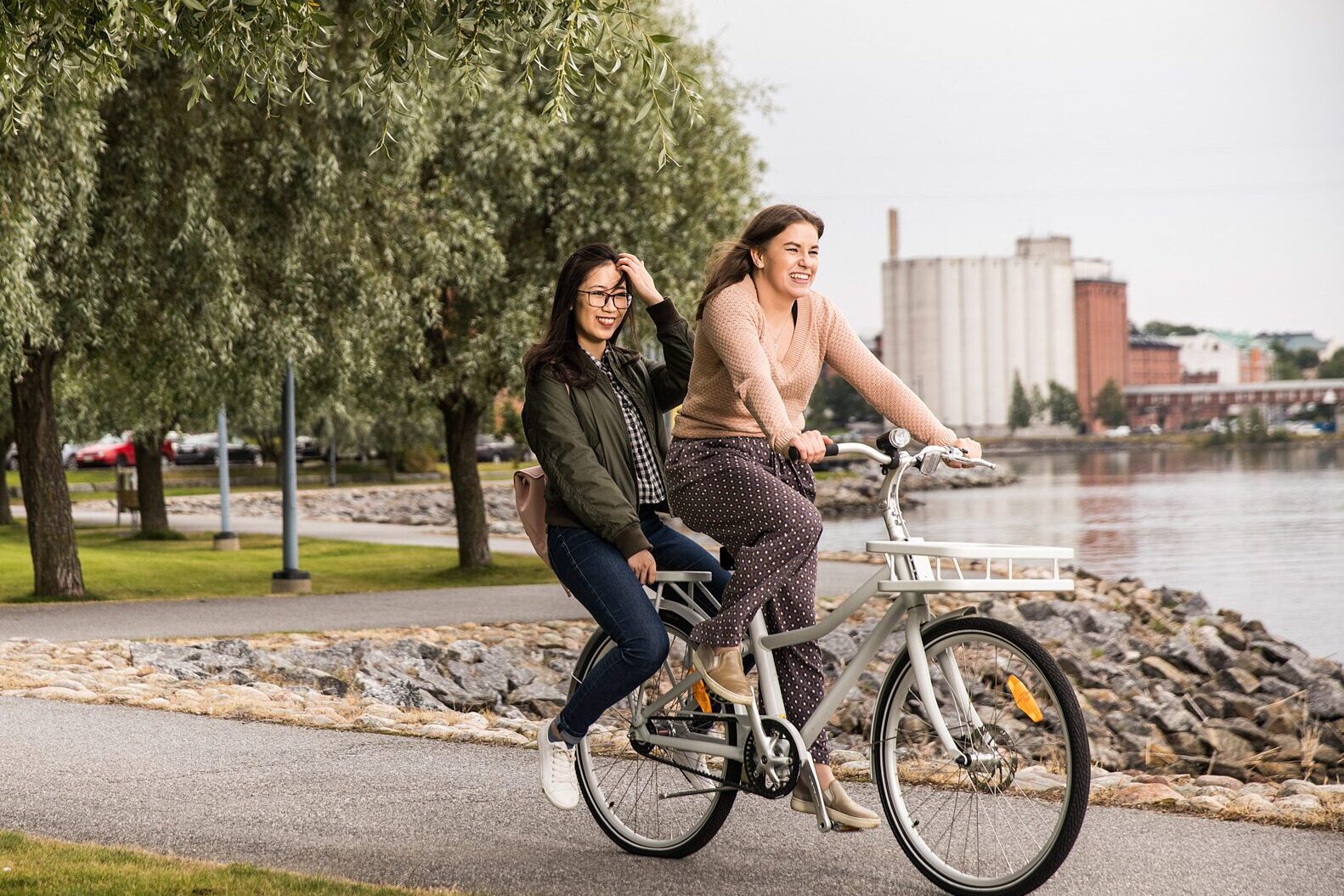
- The Finnish Way of Life: The Finnish lifestyle is shaped by democratic values, equality, and a deep connection to nature. Life tends to be relaxed and informal, with social norms that emphasise honesty and respect. Silence is natural and appreciated, and conversations are thoughtful and unhurried. Popular pastimes include outdoor activities, sports, arts, and relaxing in the sauna.
- Social Etiquette and Customs: In Finland, people communicate directly and value personal space. Workplaces are casual, and first names are used regardless of position. Dining out usually means paying your own share, and tipping is not expected. Socialising often happens at home—bringing a small gift like flowers or coffee is considered polite. Coffee plays a big role in Finnish hospitality. Smoking is prohibited in most indoor spaces, and designated areas are provided.
- People and Personality: Finns are often seen as quiet and reserved, yet honest, dependable, and loyal. They respect personal space and may not engage in small talk with strangers, but once you connect, they are warm and welcoming. English is widely spoken, making it easy for newcomers to adapt.
- Sports and Outdoor Activities: Sports are central to Finnish life, with strong national pride in ice hockey, skiing, athletics, and motorsports. Nature offers endless opportunities for recreation—skiing, snowboarding, and ice fishing in winter; hiking, biking, and sailing in summer.
Explore More About Finland
Learn about studying in Finland, student life, and practical tips for international students considering Finnish universities.
Discover Finnish culture, society, innovation, and lifestyle through articles, videos, and stories curated by the Ministry for Foreign Affairs of Finland.
Plan your trip with inspiration from Finland’s official travel guide—featuring nature, cities, seasonal highlights, and local experiences.